The Overhead Press Secret That's Changing Fitness in 2025
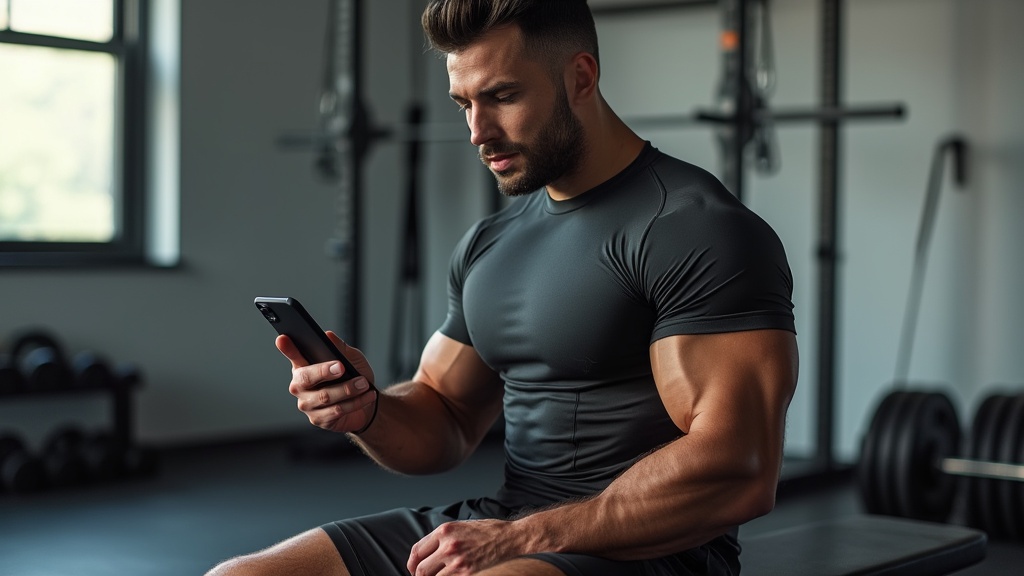
Your gym buddy just crushed a personal record on overhead press. Meanwhile, you're scrolling TikTok, watching 22-year-olds deadlift twice their body weight.
Here's the thing everyone's missing: 2025 isn't just another fitness year. It's the year resistance training finally went mainstream—and not just for the meatheads.
Resistance Training's Surge: Who and Why
Searches for "resistance training" jumped 34% in the last six months alone. But this isn't your typical gym bro trend. We're talking about your 45-year-old neighbor who just started lifting. Your college-aged daughter who ditched cardio for compound movements. Even your grandmother who's doing bodyweight squats.
Why now? Because people finally realized something sports scientists have been screaming about for decades: resistance training isn't just about building biceps. A 2024 review in Circulation found that strength training reduces cardiovascular disease risk more effectively than most people's 30-minute treadmill sessions. It builds bone density faster than calcium supplements. And it torches metabolic dysfunction better than most diets.
But here's what's really driving the surge—people are tired of feeling weak. Not just physically. Mentally. There's something primal about moving heavy things that makes you feel… capable. In control. And in a world that feels increasingly chaotic, that matters.
Sounds simple, right? Not exactly.
Best Compound Exercises for Modern Lifestyles
Here's where most people get it wrong. They think resistance training means spending two hours in a gym, doing isolation exercises for each tiny muscle. That's 1980s thinking.
The modern approach? Compound movements that work multiple muscle groups simultaneously. Think squats, deadlifts, push-ups, rows, and yes—overhead presses.
Why compound lifts? Because your body doesn't work in isolation. When you pick up your toddler, you're not just using your biceps. You're coordinating your core, legs, back, and shoulders in one fluid movement. Compound exercises train your body the way it actually functions.
A Harvard study found that people who focused on compound movements saw strength gains 40% faster than those doing traditional isolation work. But here's the twist that changes everything—they also reported better "functional confidence." Translation? They felt stronger doing real-world activities, not just gym exercises.
The big five for 2025:
- Squats (bodyweight to loaded)
- Deadlifts (conventional or trap bar)
- Push-ups (progressing to weighted versions)
- Rows (bodyweight or loaded)
- Overhead presses (which deserves its own deep dive)
But here's the catch most fitness influencers won't tell you…
Overhead Presses: Safe Technique and Benefits
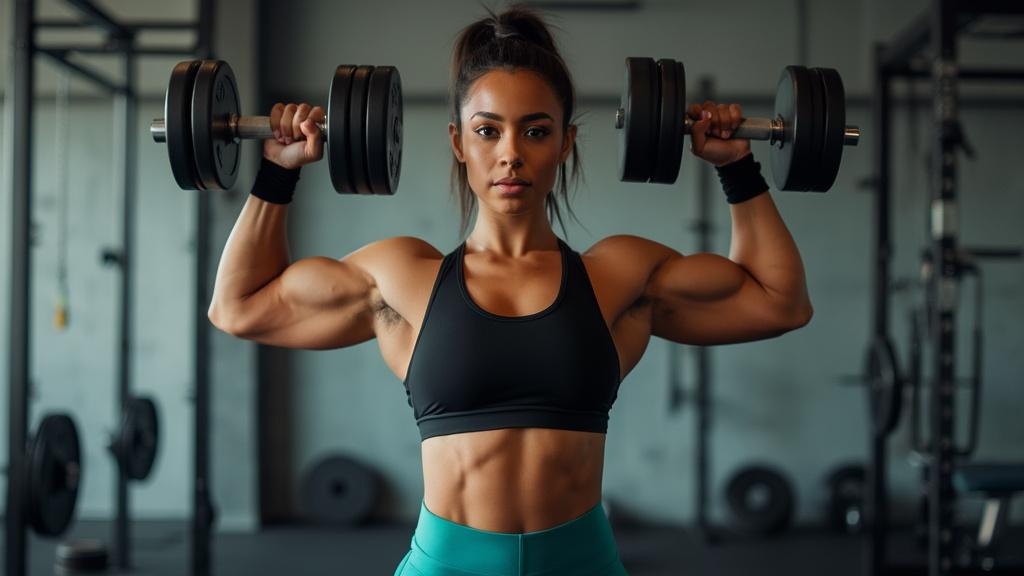
The overhead press is having a moment. And honestly? It's about time.
This isn't just another exercise—it's a litmus test for shoulder health, core stability, and functional strength. When you can press something overhead safely, you're telling the world (and your body) that you can handle life's demands.
But here's what they don't tell you: most people are doing it wrong.
The setup matters more than the weight. Start with your feet hip-width apart, core braced like someone's about to punch you in the stomach. The bar should rest on your front delts—not your collar bones, not floating in space. Your wrists should be straight, knuckles pointing up.
The press isn't just arms. It's your entire kinetic chain working together. You're pushing the floor away with your feet, creating a stable base through your core, and driving the weight up with your shoulders and arms. Done right, it's poetry. Done wrong, it's an orthopedic surgeon's retirement fund.
Why it matters: Overhead pressing strengthens the often-neglected posterior deltoids and upper traps, creating better shoulder balance. It forces core activation in a way that crunches never will. And it translates directly to real-world activities—putting luggage in overhead bins, reaching high shelves, playing with your kids.
A 2023 study in the Journal of Strength and Conditioning Research found that people who regularly performed overhead pressing movements had 23% better shoulder stability scores than those who only did bench press variations.
But here's the mistake almost everyone makes when looking at their progress…
Separating Training Facts from Fads
2025's resistance training landscape is littered with myths masquerading as science. Let's clear the air.
Myth #1: "You need to lift heavy to see results." Reality? A 2024 meta-analysis showed that lifting 60-80% of your one-rep max builds just as much muscle as lifting 80-90%—as long as you're training close to failure. Translation: bodyweight movements done correctly can be just as effective as loaded barbells.
Myth #2: "More is always better." Actually, Harvard researchers found that people who trained 3-4 times per week saw better long-term adherence and results than those training 5-6 times. Your body needs recovery more than it needs volume.
Myth #3: "Women shouldn't lift heavy." This one's not just wrong—it's harmful. Women actually respond to strength training faster than men in many cases, particularly in lower body strength gains. The fear of "getting bulky" ignores basic physiology: without significant testosterone, extreme muscle growth is nearly impossible.
Myth #4: "You're too old to start." A Japanese study tracked people who started resistance training after age 65. Results? They gained muscle mass, bone density, and cognitive function scores that rivaled people 20 years younger.
Here's what actually works: consistency over intensity, compound movements over isolation, progressive overload over ego lifting.
The truth is simpler than the industry wants you to believe. But simple doesn't mean easy.
The Real Revolution
Here's what 2025's resistance training surge really represents: people taking back control of their physical capabilities.
In a world of desk jobs and digital dependence, lifting weights is rebellion. It's saying, "I refuse to accept weakness as inevitable." It's training for life, not just for looks.
The science backs it up. The community supports it. The results speak for themselves.
TL;DR: • Resistance training surged 34% in search interest—and it's not just gym rats anymore • Compound movements (squats, deadlifts, presses, rows) deliver better real-world strength than isolation exercises • Overhead presses test and build total-body stability—but technique trumps weight every time • Most training "rules" are myths: you don't need heavy weights, daily workouts, or a Y chromosome to build serious strength • The real benefit isn't muscle—it's functional confidence in your body's capabilities
Your move. Literally.
Ignore this trend, and you'll spend 2025 watching others get stronger while you stay stuck. Or start with one compound movement today and join the revolution that's redefining what fitness looks like for regular people.
The choice—and the barbell—are waiting.