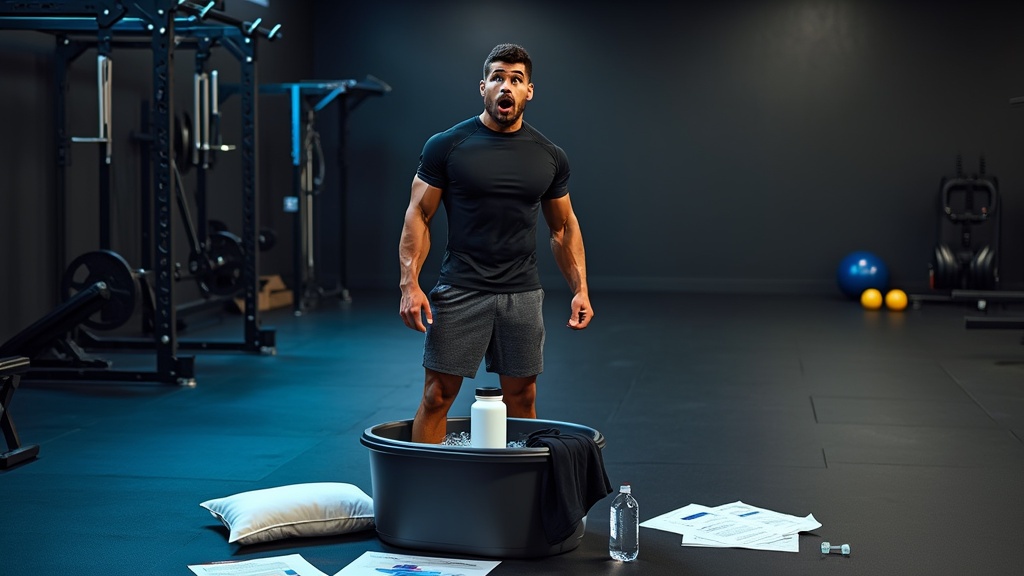
The Real Reason You Hit The Gym (It's Not Health)
Your gym selfie gets more likes than your lab results. You track your bicep circumference but ignore your blood pressure. You're working out for the mirror, not the doctor—and you're not alone.
A new Tel Aviv University study just dropped a truth bomb that's making fitness experts everywhere reconsider everything they thought they knew about motivation. After analyzing over 1,200 Reddit comments (because let's be honest, that's where people tell the real truth), researchers found that 24% of exercisers are primarily driven by physical appearance. Health motivation? A distant second at 19%.
But here's the thing that's got everyone talking: this finding isn't just some random internet observation. It's peer-reviewed research that's forcing us to confront an uncomfortable reality about why we really lace up those sneakers.
What's Really Driving Your 5 AM Gym Sessions?
Think about your last Instagram story from the gym. Was it about your improved cardiovascular health or how your abs looked in that mirror selfie? Yeah, thought so.
The Reddit study revealed something fitness professionals have whispered about for years but never had hard data to prove. When people are anonymous and honest, appearance motivation dominates. It beat out mental health benefits (17%), social connections (12%), and even enjoyment (10%).
But here's where it gets interesting—and a little concerning.
The researchers didn't just count mentions. They dove deeper into the psychology behind these motivations, and what they found might make you rethink your entire approach to fitness.
The Hidden Cost of Mirror Motivation
Let's talk about Sarah (not her real name, but probably someone you know). She started her fitness journey to "tone up for summer." Six months later, she's still checking her reflection obsessively, but her workout consistency has tanked. Sound familiar?
Here's the uncomfortable truth: appearance-focused motivation might get you started, but it's not great at keeping you going.
Research in exercise psychology shows that people motivated primarily by appearance often experience:
The Comparison Trap: You're constantly measuring yourself against others, leading to frustration when progress feels slow. Your worth becomes tied to how you look rather than how you feel.
The Plateau Problem: When visual changes slow down (and they always do), motivation crashes. You might be getting stronger, sleeping better, and feeling amazing, but if the mirror isn't showing dramatic changes, you're "failing."
The All-or-Nothing Mindset: Miss a week due to illness? Your appearance-focused brain tells you you've "lost" progress, making it harder to restart.
Cognitive bias alert: This is loss aversion in action. When your primary goal is visual, any perceived setback feels like a major loss, triggering avoidance behaviors.
The Intrinsic Motivation Advantage
Now here's what the research really wants you to know: people who exercise for intrinsic reasons—enjoyment, stress relief, feeling strong—stick with it longer.
Self-determination theory backs this up with decades of research. When your motivation comes from within ("I love how weightlifting makes me feel powerful") rather than external pressures ("I need to look good in this dress"), you're more likely to maintain the habit long-term.
But here's the plot twist: you don't have to choose just one motivation.
The Smart Way to Stack Your Motivations
Let's be real—wanting to look good isn't shallow or wrong. The problem isn't having appearance goals; it's making them your only goals.
The most successful exercisers use what researchers call "motivation stacking":
Primary Layer: Intrinsic motivations that sustain you
- Energy levels throughout the day
- Stress management
- Sleep quality
- Feeling capable and strong
Secondary Layer: Appearance goals that excite you
- Building muscle definition
- Improving posture
- Feeling confident in clothes
Tertiary Layer: Health markers that matter
- Blood pressure improvements
- Better recovery times
- Injury prevention
This approach gives you multiple "wins" to celebrate. Bad mirror day? Your sleep quality is still improving. Slow visual progress? Your deadlift just hit a personal record.
Building Anti-Fragile Fitness Habits
Here's how to shift from fragile appearance-only motivation to anti-fragile, multi-layered motivation:
Week 1-2: The Awareness Phase Start tracking non-appearance metrics. How's your energy? Sleep quality? Mood after workouts? Notice these changes before your body shows visible changes.
Week 3-4: The Reframe Phase For every appearance goal, pair it with a performance or feeling goal. Want toned arms? Also track how many push-ups you can do. Want a flatter stomach? Also notice improved posture and core stability.
Week 5+: The Integration Phase Celebrate all types of progress equally. Your workout log should include both "Arms looking more defined" and "Slept 8 hours straight for the first time in months."
The Emergency Backup Plan Have a list of non-appearance reasons ready for tough days:
- "Exercise helps my anxiety"
- "I always feel accomplished after a workout"
- "This is my stress relief time"
- "I'm getting stronger every week"
The WorkoutWave Approach to Sustainable Motivation
Smart fitness platforms are already adapting to this research. They're moving beyond just tracking reps and sets to celebrate holistic progress.
The best approaches include:
- Weekly objectives that go beyond appearance
- Achievement systems that reward consistency over perfection
- Progress visualization that includes energy, mood, and performance metrics
- Community features that celebrate all types of wins
This multi-dimensional tracking helps you see progress even when the mirror isn't cooperating.
Your Motivation Reality Check
Time for some honest self-reflection. Answer these questions:
- What happens to your workout motivation when you don't see visual changes for two weeks?
- Do you celebrate non-appearance victories (better sleep, less stress, increased strength)?
- Would you still exercise if your appearance never changed but you felt amazing?
If your answers reveal heavy appearance dependence, you're not broken—you're human. But you might be setting yourself up for motivation crashes.
The Bottom Line
The Reddit study isn't telling us that appearance motivation is evil. It's showing us that it's incomplete.
Your body is going to change throughout your life. Your energy levels, stress management needs, and desire to feel strong and capable? Those are constants you can build a sustainable fitness habit around.
Use appearance goals as rocket fuel to get started, but build your foundation on something deeper. Because the person who exercises because they love how it makes them feel? They're still working out at 70.
TL;DR • 24% of exercisers are primarily motivated by appearance, beating health (19%) and mental benefits (17%) • Appearance-only motivation creates comparison traps and plateau problems • Intrinsic motivations (feeling strong, stress relief) predict better long-term adherence • Stack motivations: intrinsic foundation + appearance excitement + health markers • Track energy, sleep, mood, and performance alongside visual changes • Build emergency backup reasons for tough days when the mirror isn't cooperating
Start with whatever gets you moving. But stay because of how it makes you feel.